Your Local Building Solution
Your Local Building Solution
PRODUCTS
Browse our roofing
and siding articles.
FEATURED MEMBER
Preferred Roofing Supply
Atlanta, GA
MEMBER LOCATOR
Find a roofing or siding
distributor near you.









As our valued member, you now have access to a simple hiring benefit designed to eliminate the hundreds of dollars most businesses spend on a single job post.
Our new hiring tool for members has one-click distribution to multiple job boards, automated candidate follow-up, and custom workflows that make reaching, interviewing & hiring the best people easier than ever.
Before you start posting, set up a personalized portal with your own logo, “About Us” verbiage, and automatic courtesy emails for applicants. Templates for commonly used job posts are also included with your portal.
By offering this new hiring benefit, you’ll be able to quickly fill your entire organization with the right people in less time.
NEMEON Members already have an account set up! Reset your password here to get started.
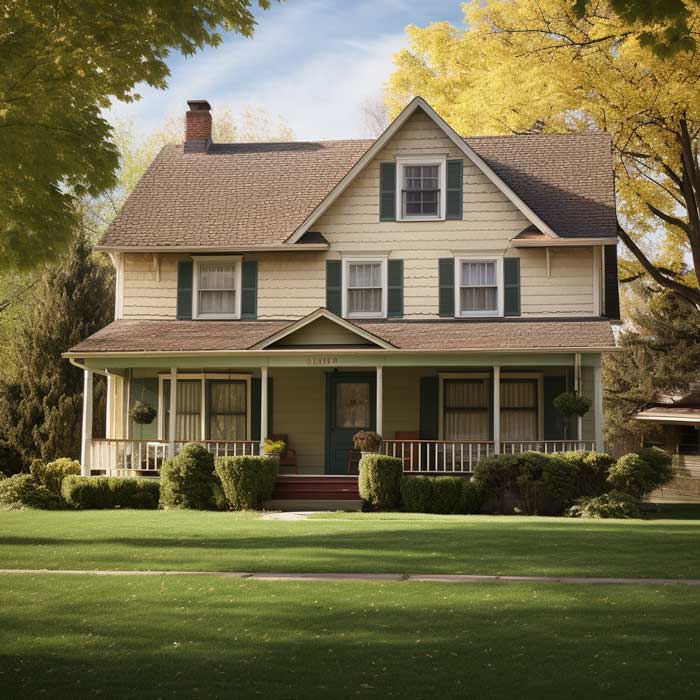
In the world of residential siding materials, few options can match the timeless elegance and natural beauty of wood siding. With its warm, inviting charm and a wide range of wood species to choose from, wood siding continues to be a cherished choice for homeowners looking to infuse their homes with character and distinction.
Wood siding is a classic and authentic siding material crafted from natural wood. This traditional material offers a genuine connection to nature and a timeless aesthetic that complements various architectural styles. The choices of wood species can significantly impact the appearance, durability, and maintenance needs of wood siding. Common wood types include:
Cedar: Known for its natural resistance to decay and insects, cedar is a popular choice for wood siding. It weathers gracefully to a silvery gray if left untreated.
Redwood: Similar to cedar, redwood offers excellent natural resistance to decay and insects. It has a rich, reddish hue that can be preserved with staining.
Pine: Pine is an affordable wood siding option but may require more maintenance due to its susceptibility to decay. Proper sealing and painting can help extend its lifespan.
Wood siding comes in various styles and profiles, including clapboard (horizontal), shingles or shakes (vertical or horizontal), and board-and-batten (vertical). These styles allow homeowners to achieve different looks, from traditional to contemporary.
Proper installation of wood siding is essential to ensure a watertight and secure exterior. Adequate ventilation and moisture barriers are crucial. Maintenance involves regular inspections for damaged or deteriorating sections, as well as treatments to prevent decay and insect infestations.
The lifespan of wood siding varies depending on the wood species, maintenance, and climate. Cedar and redwood siding can last around 30 to 50 years or more. While the initial cost is higher than some alternatives, the longevity and aesthetic appeal of wood siding often justify the investment.
Advantages |
Disadvantages |
|
Aesthetic Appeal: Wood siding exudes a natural, rustic charm that enhances the visual appeal of any home. It adds warmth and character to the exterior. Insulation Properties: Wood provides inherent insulation, contributing to energy efficiency and creating a comfortable interior climate. Repairability: Damaged shingles or boards can be individually replaced, reducing overall repair costs. Longevity: When properly maintained, wood siding can last for decades. |
Maintenance: Regular maintenance is essential to prevent issues like rot, insect infestations, and moss growth. This may include staining or painting. Cost: Wood siding often comes with a higher initial cost compared to some other materials. Fire Risk: While treatments can improve fire resistance, wood siding is generally less fire-resistant than alternative materials. |
Wood is a renewable resource, making it an environmentally friendly choice. Some wood siding products are treated to improve fire resistance, but it's essential to note that wood siding is generally less fire-resistant than materials like fiber cement or metal.
Reputable brands in the wood siding industry include Cedar Impressions, Certi-label Cedar Shakes, and Maibec. These brands offer a range of styles, treatments, and finishes to cater to diverse homeowner preferences.
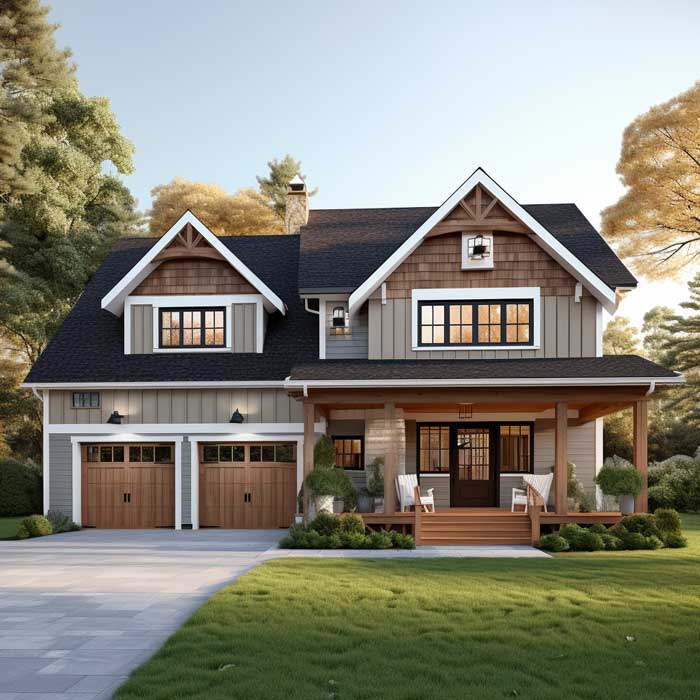
In the realm of residential siding, engineered wood siding emerges as a stellar example of modern innovation seamlessly blended with the timeless charm of wood. Engineered wood siding combines the natural beauty of wood with enhanced durability and moisture resistance, making it a favored choice among homeowners and professionals alike.
Engineered wood siding, often referred to as composite wood siding, is a composite material comprised primarily of wood fibers, wax, resin, and other additives. This unique composition provides the best of both worlds: the authentic look of wood and the added strength and resistance to moisture and decay.
Engineered wood siding comes in various styles and finishes, including lap siding, shingle-style siding, and panel siding. The finishes replicate the appearance of traditional wood grains and textures, allowing for customization and the creation of distinct exterior designs.
One of the standout features of engineered wood siding is its exceptional durability and resistance to moisture. It resists warping, splitting, and rot, even when exposed to wet conditions. This moisture resistance makes it an excellent choice for coastal or rainy regions.
Proper installation of engineered wood siding is essential to ensure its moisture resistance and longevity. It requires meticulous attention to detail, including sealing and finishing. Maintenance primarily involves cleaning to remove dirt and mildew, ensuring that the material retains its beauty and protective properties.
The lifespan of engineered wood siding typically ranges from 20 to 30 years or more, depending on factors such as climate, maintenance, and the quality of installation. While it may have a higher initial cost than some alternatives, its long-term durability and minimal maintenance requirements make it a cost-effective choice.
Advantages |
Disadvantages |
|
Wood Aesthetic: Engineered wood siding replicates the natural look of wood with authenticity, offering homeowners the warmth and charm of wood without the drawbacks. Durability: Engineered wood siding is highly durable and moisture-resistant, making it an excellent choice for regions with varying climates. Versatile Styles: It comes in a variety of styles and finishes, allowing homeowners to achieve the desired architectural appearance. Easy Maintenance: Engineered wood siding requires minimal maintenance compared to traditional wood siding, eliminating the need for painting or staining. |
Cost: While it offers excellent long-term value, engineered wood siding may have a higher initial cost compared to some other siding materials. Limited Lifespan: While durable, the lifespan of engineered wood siding is generally shorter than natural wood siding, typically around 20 to 30 years. Installation Complexity: Proper installation is crucial to ensure the material's moisture resistance and longevity. |
Prominent brands in the engineered wood siding industry include LP SmartSide, Trespa, and Boral TruExterior. These brands offer a wide selection of engineered wood siding products, allowing homeowners and professionals to choose from various colors, styles, and profiles to achieve their desired exterior appearance.
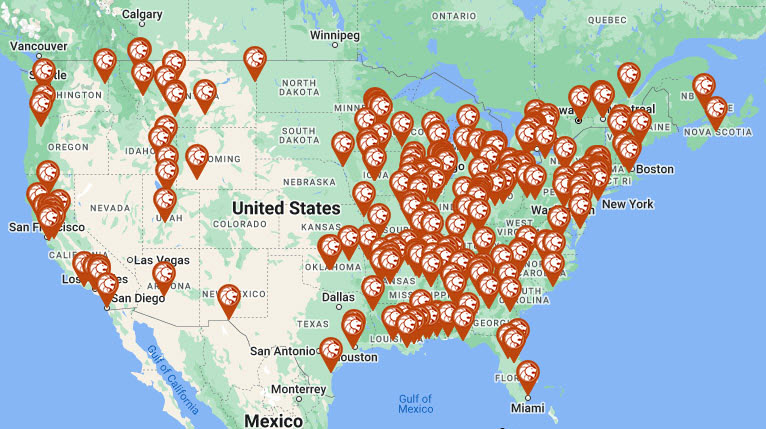
NEMEON is a purchasing cooperative comprising over 100 independent roofing and siding distributors with more than 320 locations across North America. NEMEON members create strong, mutually beneficial, and sustainable partnerships with the industry's premier suppliers. These suppliers offer NEMEON members quality products, fair pricing, superior service, and a first-rate reputation. In turn, NEMEON members can provide the same exceptional customer service and pricing to local and regional roofing contractors, general contractors, project managers, and commercial developers across the United States. We are pros for pros.
THE COOPERATIVE ADVANTAGE: BUYING POWER & MUCH MORE
A cooperative business belongs to the people who use it... people who have organized to provide themselves with the goods and services they need to succeed. Across America, 120 million people are solving problems and enjoying a better life because of their co-ops. People have formed 47,000 cooperatives for farming, banking, housing, childcare, health care, electric and telephone service, food retailing and other goods and services. They trust their co-ops to help them find solutions.
To achieve success in this jointly owned and democratically controlled enterprise, there is a basic set of principles that cooperatives practice. These are based on the values of self-help, self-responsibility, democracy, equality, equity, and solidarity. In the tradition of their founders, cooperative members believe in the ethical values of honesty, openness, social responsibility and caring for others.
A cooperative is one way for independent business owners - the backbone of Main Street USA - to prosper and effectively meet the challenge of chain stores and big box competition.
When you support a locally owned company:
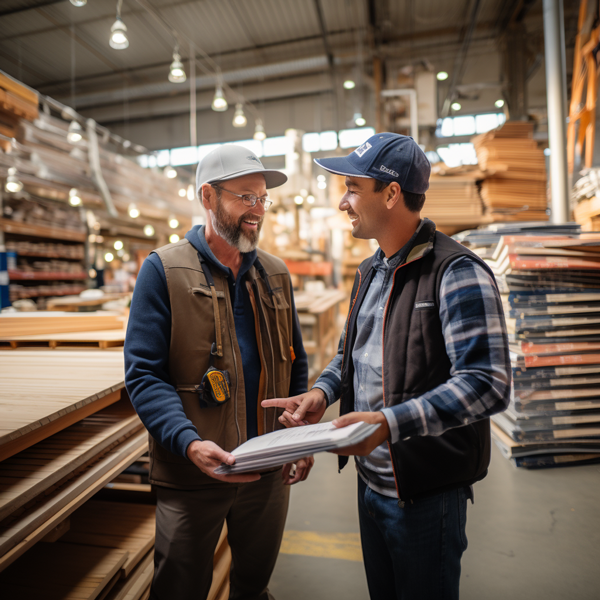
QUARTERLY FEATURED MEMBER
 In the highly competitive world of building supplies, one company in Atlanta is standing tall, not just for its products, but for its purpose. Meet Preferred Roofing Supply, a thriving, Latino-owned business serving the Atlanta metro area with three locations in Smyrna, Tucker, and Jonesboro.
© 2026 NEMEON, Inc. All Rights Reserved.