Your Local Building Solution
Your Local Building Solution
PRODUCTS
Browse our roofing
and siding articles.
FEATURED MEMBER
Preferred Roofing Supply
Atlanta, GA
MEMBER LOCATOR
Find a roofing or siding
distributor near you.

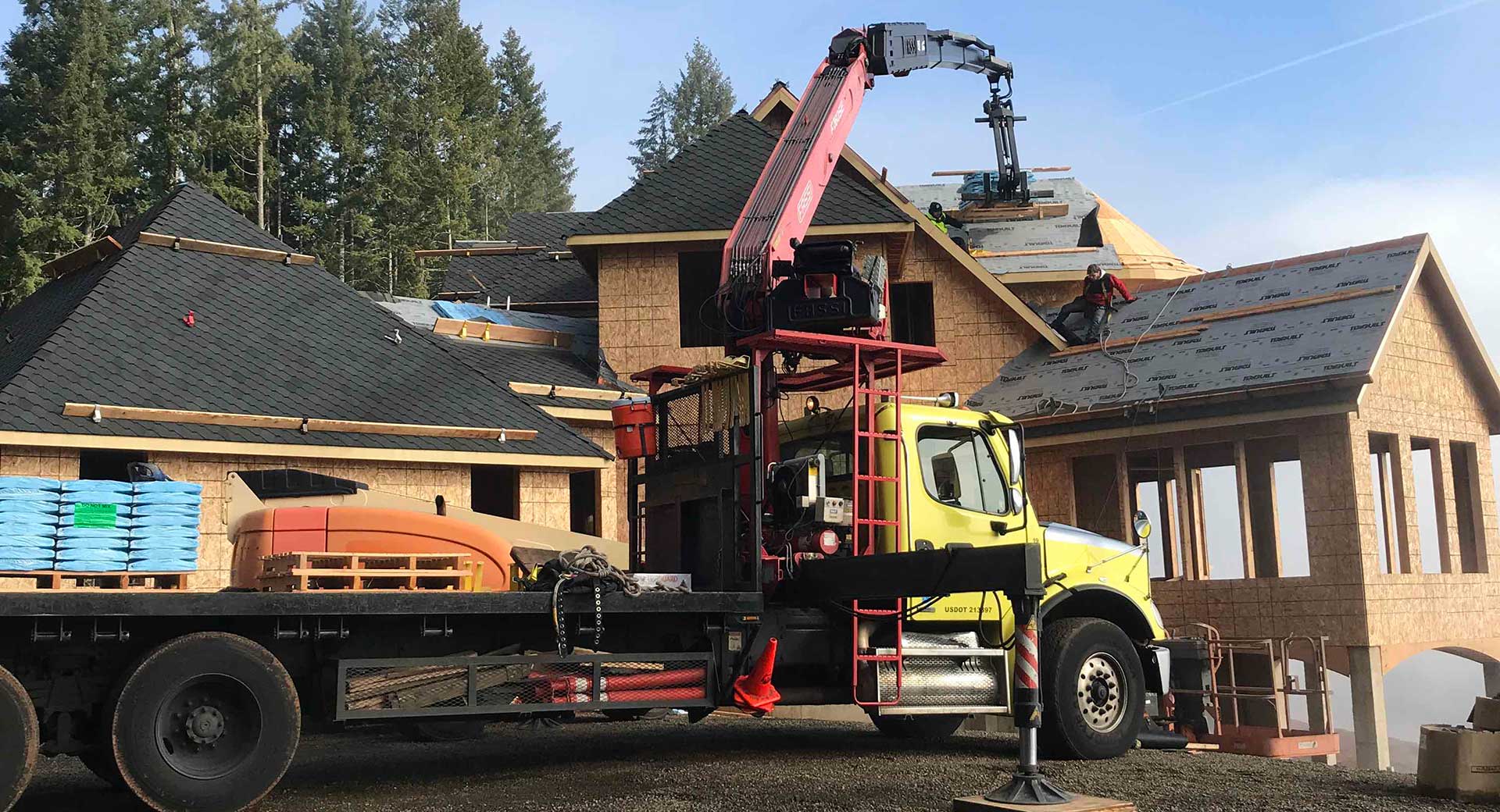



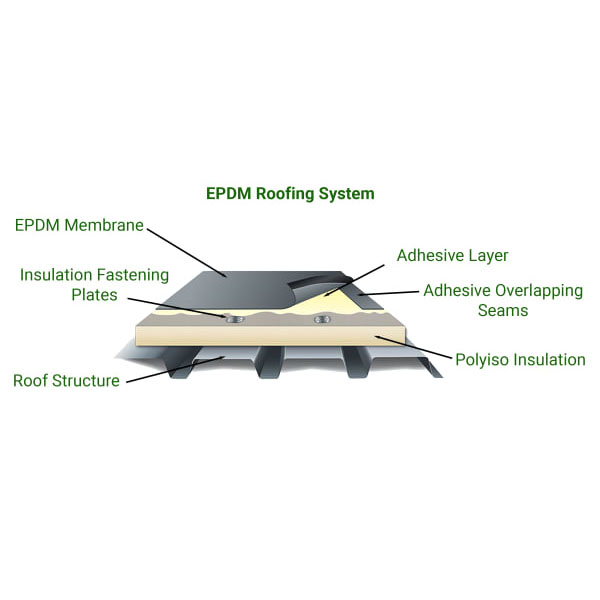
The roofing industry has continuously evolved to meet the diverse needs of commercial buildings, and Thermoset (EPDM) Roof Membrane stands out as a significant part of this evolution. Ethylene Propylene Diene Monomer (EPDM) roofing offers an excellent solution for commercial buildings in need of a durable, cost-effective, and environmentally friendly roofing option. With their ability to withstand various climatic conditions and adapt to different building designs, EPDM roofs are a versatile choice for a wide range of commercial applications. Brands like Weatherbond Roofing Systems enhance this choice by providing quality products that stand the test of time. For building owners and managers looking for a reliable, low-maintenance roofing solution, EPDM roofing systems are certainly worth considering.
EPDM is a synthetic rubber roofing membrane widely recognized for its outstanding durability, flexibility, and resistance to environmental factors. It is typically available in black or white and can be installed in either fully adhered, mechanically attached, or ballasted systems. EPDM membranes are particularly known for their long service life and low lifecycle costs.
EPDM roofing membranes are made primarily from ethylene and propylene, which are derived from oil and natural gas. The composition of EPDM allows it to resist degradation from UV rays, ozone, and extreme weather conditions. The membranes are usually available in a variety of thicknesses and widths, providing flexibility in installation and application.
The primary benefits of EPDM roofing systems include their exceptional resistance to UV radiation, ozone, and harsh weather conditions. They are highly flexible, even in low temperatures, which reduces the risk of cracking and splitting. EPDM roofs are also known for their ease of installation and maintenance, as well as for being an environmentally friendly roofing option due to their long lifespan and recyclability.
EPDM roofing performs excellently in a variety of climates. Its ability to withstand high and low temperatures makes it suitable for both hot and cold environments. In warmer climates, the use of white EPDM helps in reflecting sunlight and reducing cooling costs. In colder regions, its resistance to freezing and thawing cycles makes it a reliable option.
EPDM roofing is versatile and can be used on a wide range of commercial buildings, especially those with low-slope or flat roofs. Its flexibility makes it ideal for roofs that expand and contract or experience regular movement. EPDM is also a good choice for buildings requiring a lightweight roofing solution.
The advantages of EPDM roofing include its longevity, with lifespans often exceeding 20 years, and its resistance to environmental factors. However, EPDM roofs can be prone to punctures and may require additional protection layers in areas where the roof will experience heavy foot traffic. Also, while installation is generally straightforward, it requires skilled professionals to ensure proper sealing and fitting.
EPDM roofing systems offer a cost-effective solution for commercial roofing. The initial installation cost is competitive, and when considering the longevity and low maintenance requirements, EPDM roofs can be very economical over their lifespan.
Weatherbond Roofing Systems is a prominent brand in the EPDM roofing market, renowned for its high-quality EPDM membranes. Weatherbond offers a range of EPDM roofing solutions that are known for their durability, ease of installation, and excellent weathering characteristics. Their products come with strong warranties, ensuring long-term performance and peace of mind for building owners.
Maintaining an EPDM roof is relatively straightforward. Regular inspections should be conducted to check for any signs of damage, such as cuts or punctures. Cleaning the roof surface to remove debris and checking the drainage system are also important to maintain the roof's integrity. Repairs, when needed, are usually simple and can be performed with compatible materials.
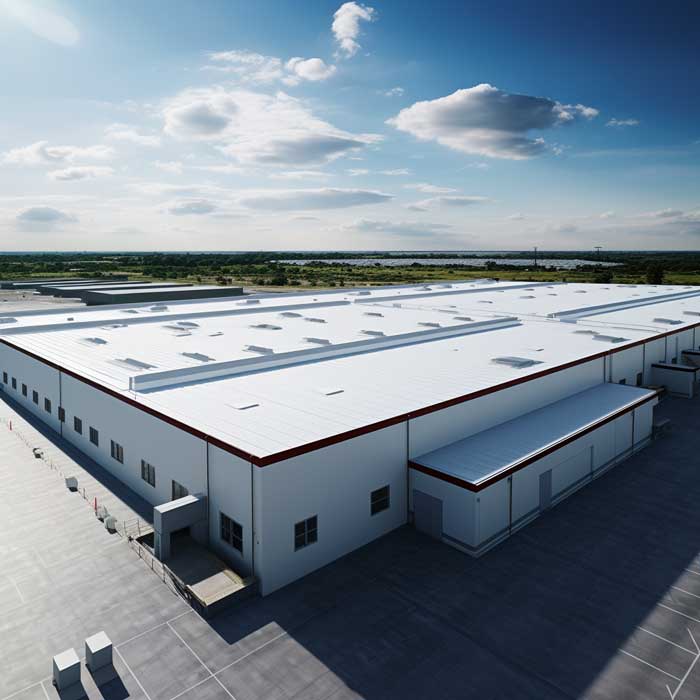
Thermoplastic membranes, particularly Polyvinyl Chloride (PVC) and Thermoplastic Olefin (TPO), represent a significant advancement in commercial roofing technology. Their combination of durability, flexibility, and eco-friendly attributes makes them a compelling choice for modern commercial buildings. With brands like Weatherbond Roofing Systems leading the way in quality and innovation, PVC and TPO roofs are well-positioned to meet the diverse and evolving needs of the commercial roofing market. Whether prioritizing longevity, environmental impact, or cost-effectiveness, thermoplastic roofing systems offer solutions that are both practical and forward-thinking.
Thermoplastic roof membranes, specifically PVC and TPO, are known for their durability, flexibility, and resistance to environmental factors. These single-ply roofing systems are lightweight, easy to install, and highly resistant to chemicals, UV light, and fire. PVC, with its long track record, and TPO, recognized for its growing popularity and advanced features, are both excellent choices for modern commercial roofing needs.
PVC roofing membranes are made from a combination of polyvinyl chloride resins, plasticizers for flexibility, and various additives for resistance to UV rays, microbes, and chemicals. TPO membranes, on the other hand, are made from ethylene-propylene rubber combined with polypropylene and typically do not contain plasticizers. Both PVC and TPO are available in various thicknesses and can include reinforced layers for added strength.
The primary benefits of PVC and TPO roofing systems include their excellent waterproofing capabilities, high resistance to tears and punctures, and superior energy efficiency. PVC roofs are particularly known for their longevity and resistance to chemical exposure, while TPO roofs offer exceptional heat-welded seam strength and are often preferred for their environmentally friendly qualities.
Both PVC and TPO roofing systems perform well in various climates. Their heat-welded seams provide excellent protection against leaks, making them suitable for areas with heavy rainfall. In hot climates, white or light-colored PVC and TPO membranes can reflect sunlight, reducing cooling costs. They are also resistant to the damaging effects of UV radiation and ozone.
Thermoplastic roofs are adaptable to various commercial building designs, particularly those with low-slope or flat roofs. They are an excellent choice for buildings that require a lightweight roofing solution with strong performance characteristics. These roofs are also ideal for buildings that house sensitive equipment or operations due to their resistance to chemicals and pollutants.
The advantages of PVC and TPO roofing include their long lifespan, strong resistance to environmental factors, and energy efficiency. However, the quality of installation is crucial for their performance, as poor installation can lead to seam failures and leaks. TPO, being relatively newer in the market, has variations in formulation between manufacturers, which can affect its long-term performance.
The initial installation cost for PVC and TPO roofing systems can vary, with PVC generally being on the higher end due to its established reputation and longevity. TPO offers a more cost-effective alternative with a slightly shorter lifespan but still provides excellent value over time. Both types of roofs require minimal maintenance, adding to their cost-effectiveness.
Weatherbond Roofing Systems is a notable brand in the thermoplastic roofing industry, offering a range of high-quality PVC and TPO products. Their membranes are known for their durability, ease of installation, and strong performance characteristics. Weatherbond’s products are backed by comprehensive warranties, ensuring reliability and customer satisfaction.
Maintenance for PVC and TPO roofs typically involves regular inspections, cleaning to remove debris and dirt, and checking for any signs of wear or damage, particularly at seams and flashings. Repairs, if needed, can be easily conducted with compatible materials. Proper maintenance ensures the longevity and effectiveness of these roofing systems.
In the diverse landscape of residential roofing, homeowners and professionals alike are presented with a variety of materials, each with its unique attributes. The choice of roofing material hinges on factors like climate, aesthetics, budget, and environmental impact. Quality roofing materials are the backbone of a durable and functional roof. Coupled with professional installation and regular maintenance, they ensure long-lasting performance. Let's explore the most common types of roofing materials in the US, gaining insights into their composition, benefits, and considerations.
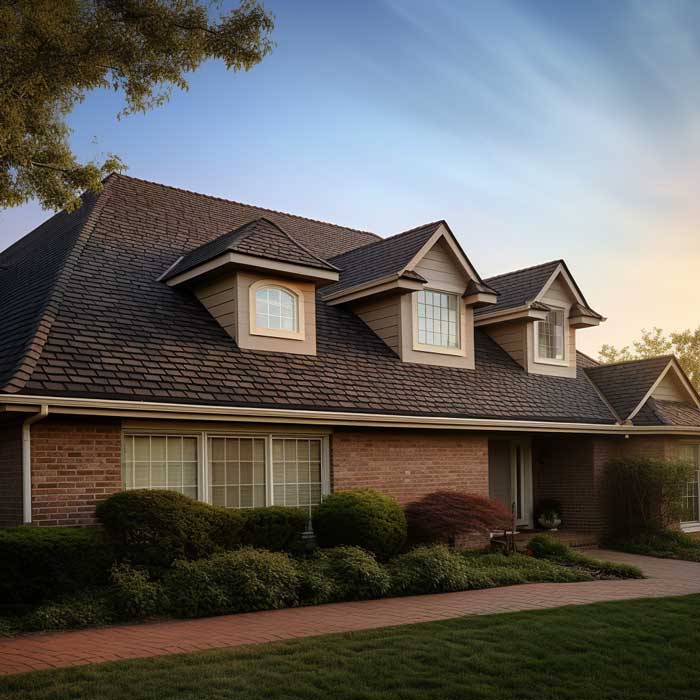
Asphalt shingles, reigning as one of the most popular choices, are composed of a base mat coated with asphalt and embedded with ceramic granules. This combination delivers durability and affordability.
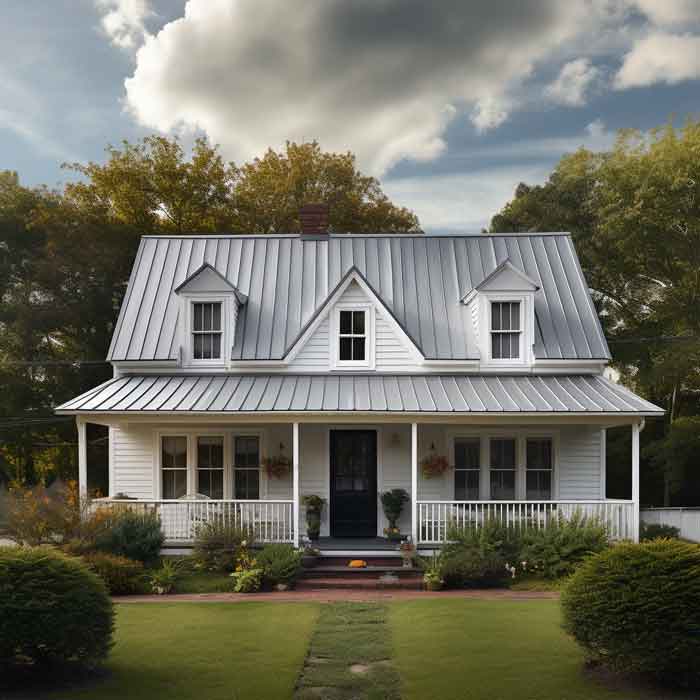
Metal roofing encompasses materials like steel, aluminum, and copper. With their exceptional strength and sleek appearance, they marry form and function.
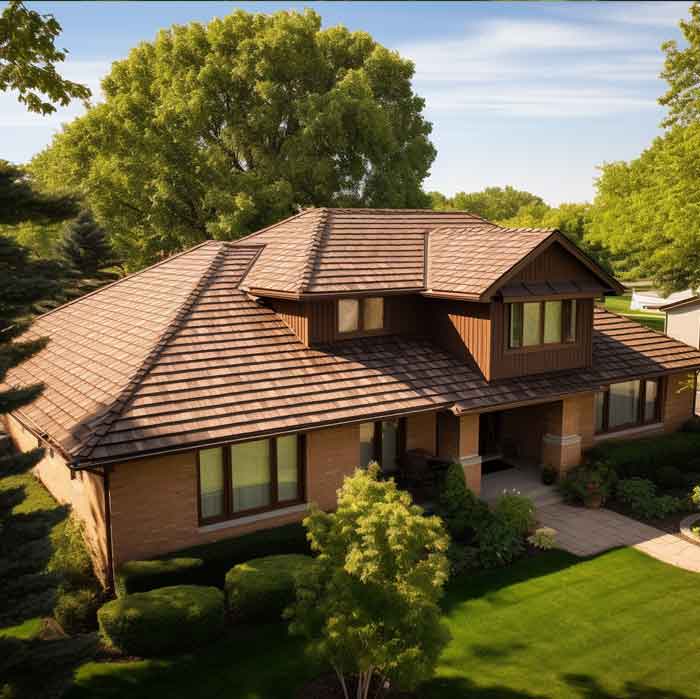
Wood shingles and shakes provide a rustic charm. Crafted from materials like cedar and redwood, they exude warmth and timeless appeal.
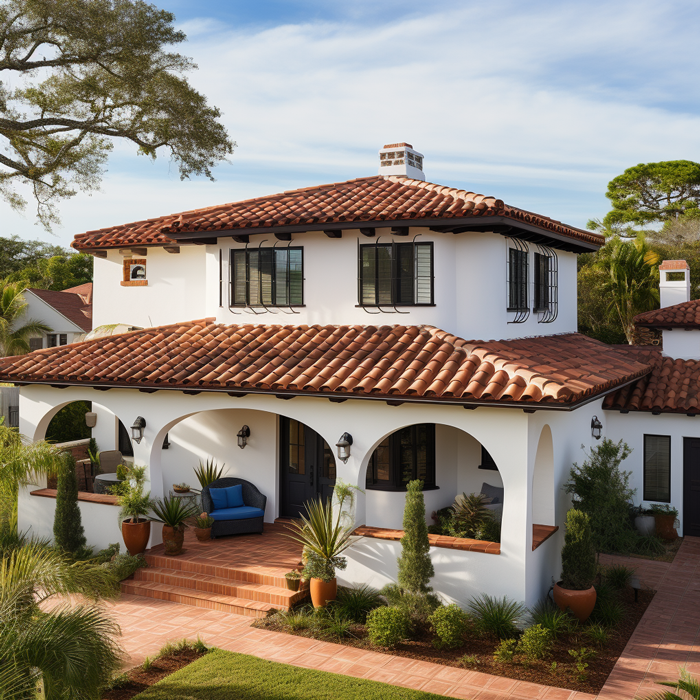
Clay and concrete tiles, synonymous with Spanish or Mediterranean architecture, offer a distinctive aesthetic and impressive durability.
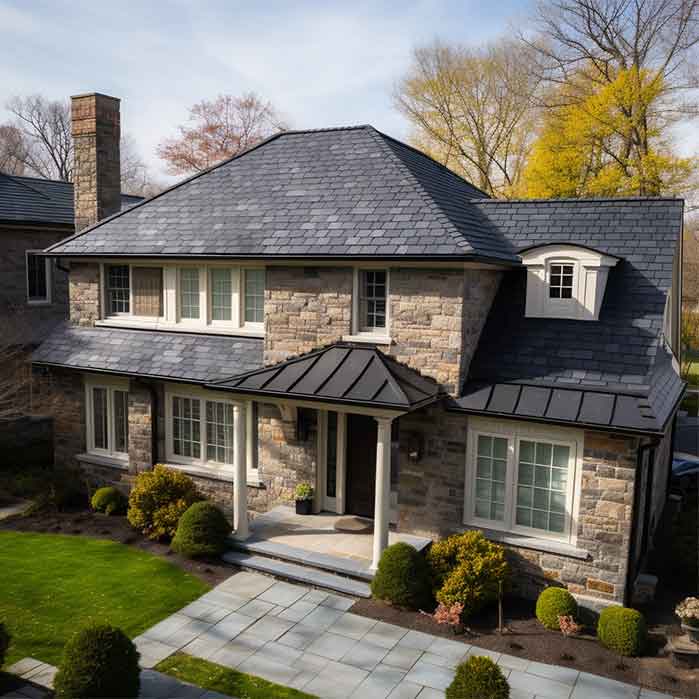
Slate roofing, a premium choice, is crafted from natural stone. Its durability and elegance make it a timeless option.
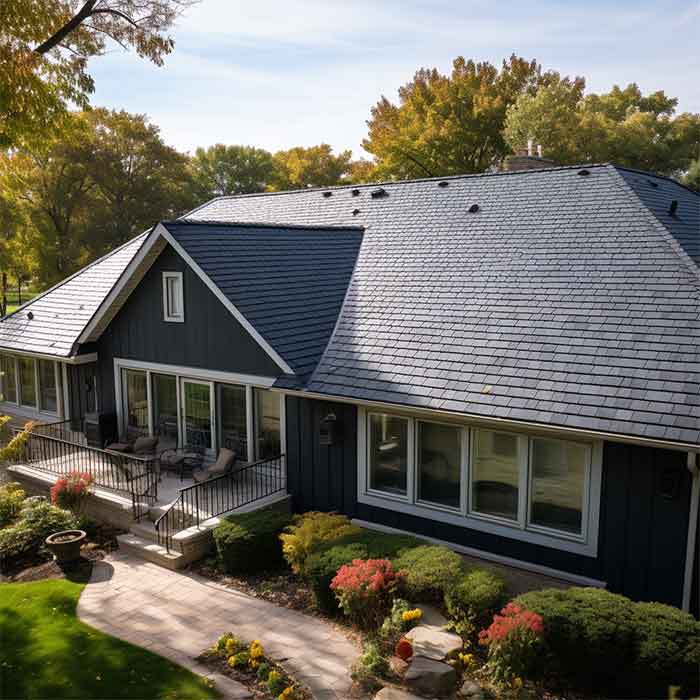
Synthetic materials, including rubber and plastic, offer versatility, replicating the look of traditional materials while often being more cost-effective and durable.
In residential construction, siding stands as a pivotal element, weaving together aesthetics, protection, and structural integrity. The choice of siding for a home is more than a matter of style; it's a decision that can influence the building's durability, energy efficiency, and overall appeal. As a leading building materials cooperative committed to providing top-quality residential siding to general contractors, project managers, and roofing and siding companies across the United States, we understand the importance of making informed choices.
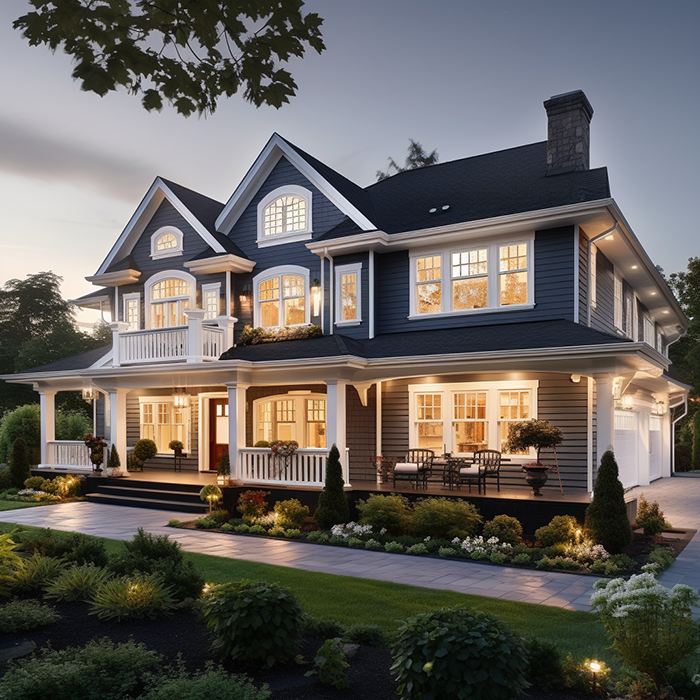
Known for its affordability and versatility, vinyl siding offers a wide range of styles, profiles, and colors. It's a low-maintenance choice that suits various architectural designs.
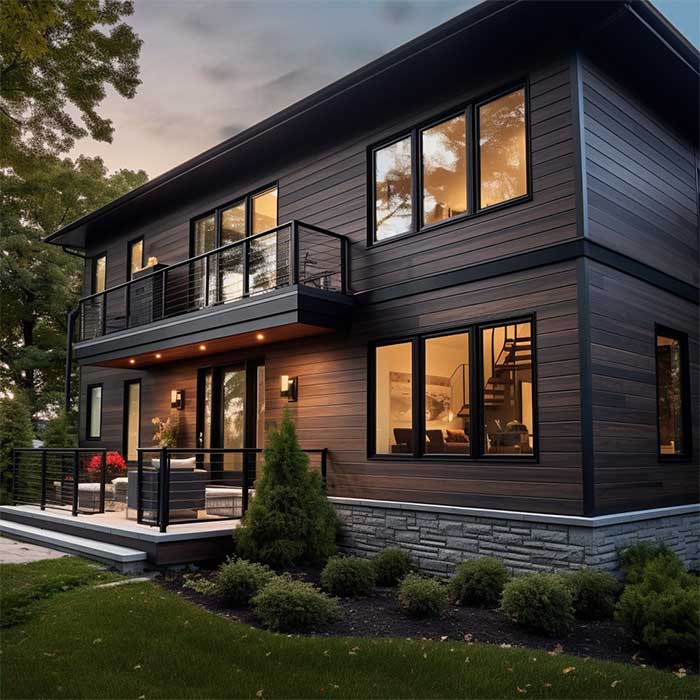
Combining durability and fire resistance, fiber cement siding is available in different textures and styles. It's a popular option for those seeking the appearance of wood without the associated maintenance.
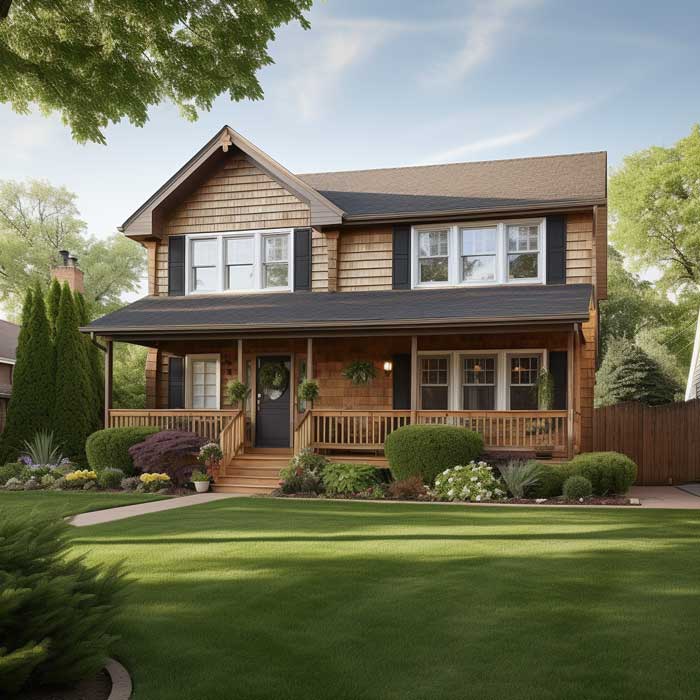
With its timeless appeal and natural warmth, wood siding, often crafted from cedar or redwood, brings an authentic touch to homes. It does require diligent maintenance to preserve its charm.
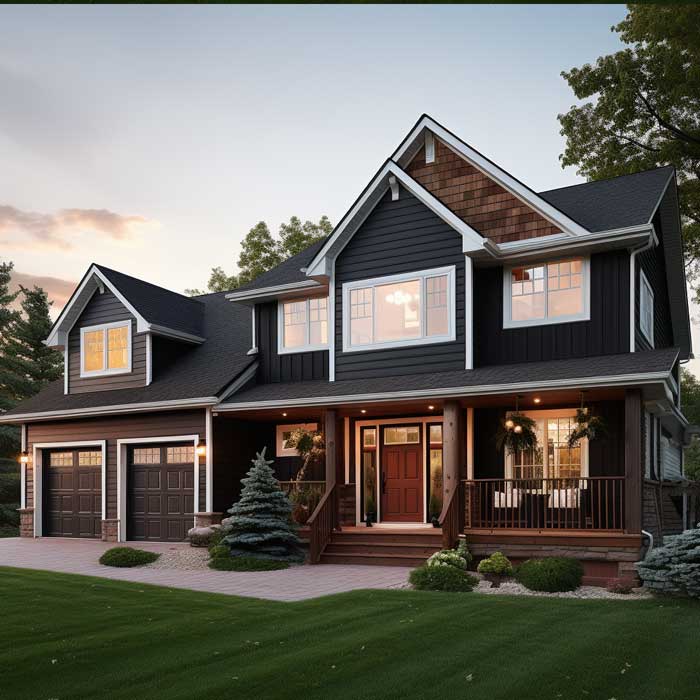
Engineered wood siding offers the look of wood with enhanced durability and moisture resistance. It's a cost-effective alternative for those who desire the beauty of wood without the high maintenance.
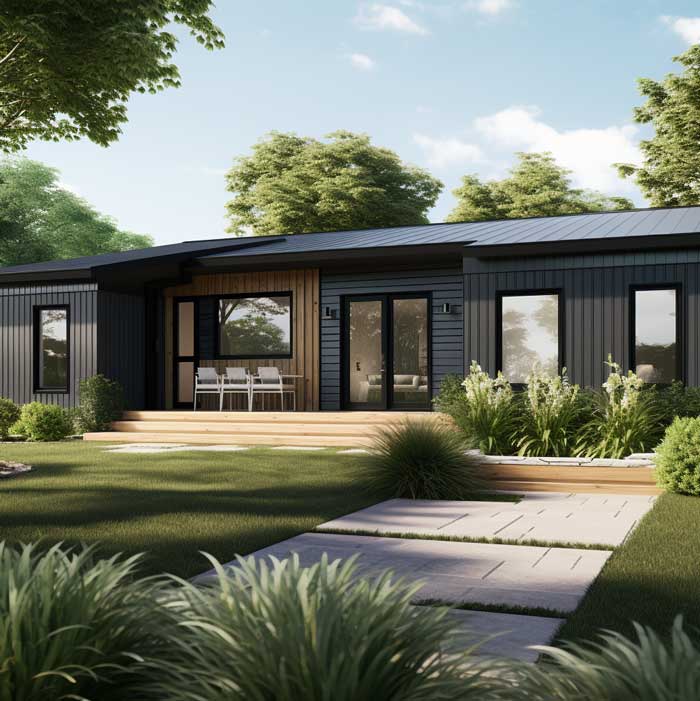
Durable and weather-resistant, metal siding comes in various types, including steel and aluminum. It offers sleek, modern aesthetics and requires minimal maintenance.
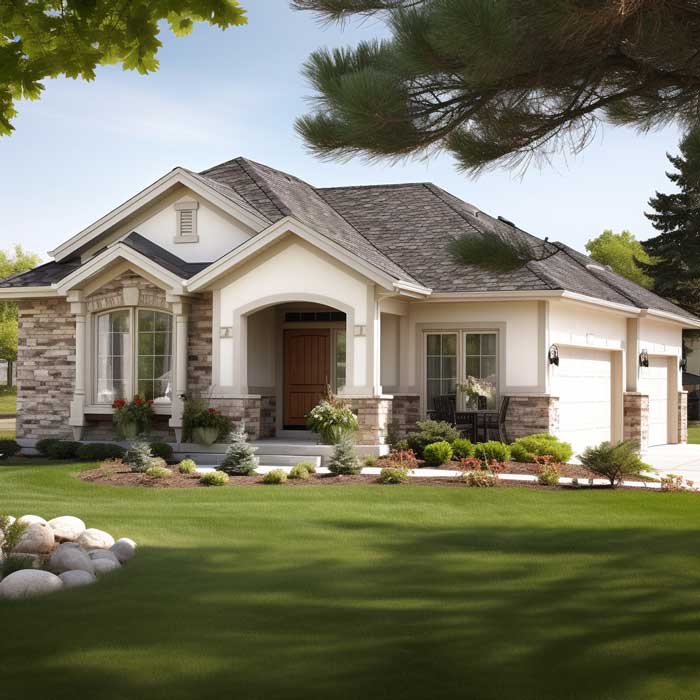
These options provide the elegance of brick or stone without the structural weight. They enhance a home's exterior with timeless beauty.
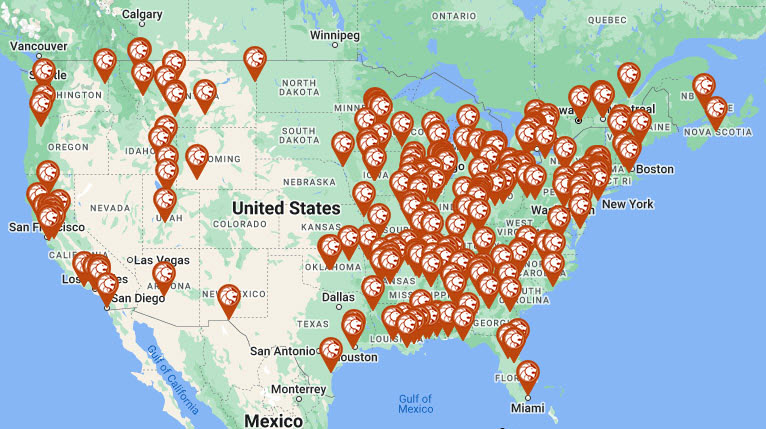
NEMEON is a purchasing cooperative comprising over 100 independent roofing and siding distributors with more than 320 locations across North America. NEMEON members create strong, mutually beneficial, and sustainable partnerships with the industry's premier suppliers. These suppliers offer NEMEON members quality products, fair pricing, superior service, and a first-rate reputation. In turn, NEMEON members can provide the same exceptional customer service and pricing to local and regional roofing contractors, general contractors, project managers, and commercial developers across the United States. We are pros for pros.
THE COOPERATIVE ADVANTAGE: BUYING POWER & MUCH MORE
A cooperative business belongs to the people who use it... people who have organized to provide themselves with the goods and services they need to succeed. Across America, 120 million people are solving problems and enjoying a better life because of their co-ops. People have formed 47,000 cooperatives for farming, banking, housing, childcare, health care, electric and telephone service, food retailing and other goods and services. They trust their co-ops to help them find solutions.
To achieve success in this jointly owned and democratically controlled enterprise, there is a basic set of principles that cooperatives practice. These are based on the values of self-help, self-responsibility, democracy, equality, equity, and solidarity. In the tradition of their founders, cooperative members believe in the ethical values of honesty, openness, social responsibility and caring for others.
A cooperative is one way for independent business owners - the backbone of Main Street USA - to prosper and effectively meet the challenge of chain stores and big box competition.
When you support a locally owned company:
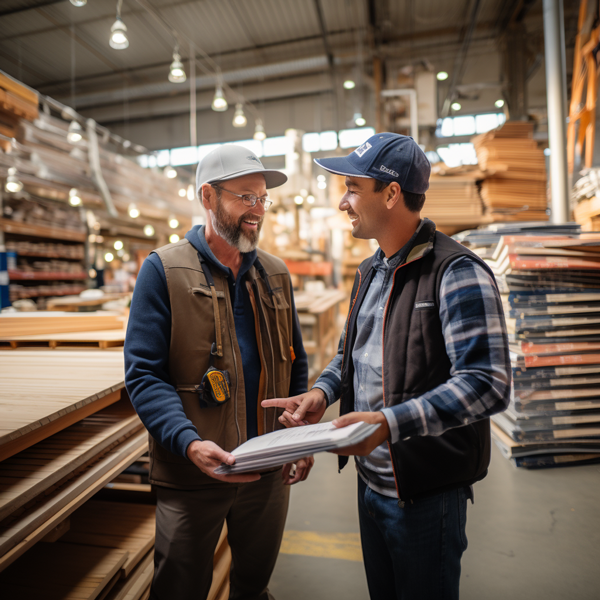
QUARTERLY FEATURED MEMBER
 In the highly competitive world of building supplies, one company in Atlanta is standing tall, not just for its products, but for its purpose. Meet Preferred Roofing Supply, a thriving, Latino-owned business serving the Atlanta metro area with three locations in Smyrna, Tucker, and Jonesboro.
© 2026 NEMEON, Inc. All Rights Reserved.