Your Local Building Solution
Your Local Building Solution
PRODUCTS
Browse our roofing
and siding articles.
FEATURED MEMBER
Preferred Roofing Supply
Atlanta, GA
MEMBER LOCATOR
Find a roofing or siding
distributor near you.




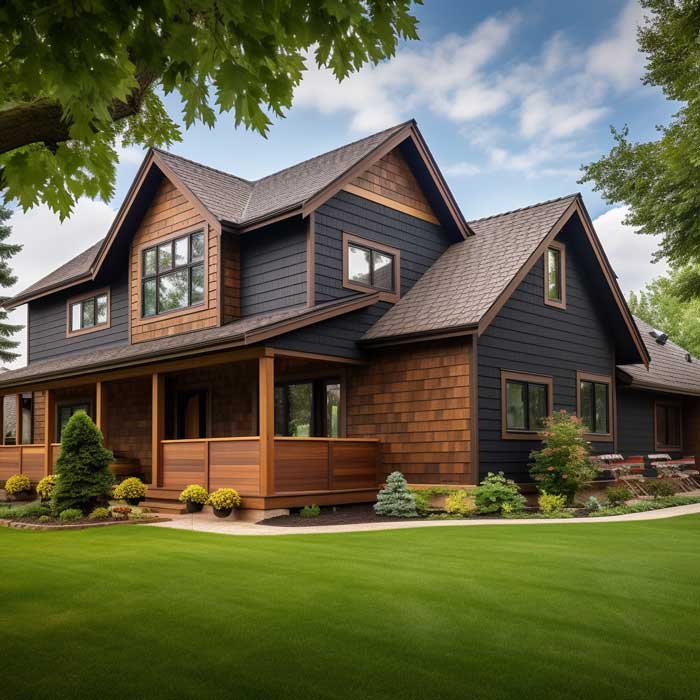
With its remarkable strength, fire resistance, and a vast array of design possibilities, fiber cement siding has solidified its position as a preferred choice for residential exteriors across the United States. Able to replicate the look of wood while offering enhanced durability, fiber cement siding is a combination of style and substance that enhances homes with its enduring appeal and protective qualities.
Fiber cement siding is a composite material made primarily from cement, sand, and cellulose fibers. This unique composition combines the durability of cement with the flexibility and workability of wood fibers. The result is a material that boasts exceptional strength and resilience, capable of withstanding the harshest of weather conditions.
Fiber cement siding is celebrated for its ability to mimic the appearance of traditional wood siding while offering enhanced durability. Homeowners can choose from various styles, including lap siding, shingle-style siding, and vertical siding, among others. Additionally, the texture of fiber cement siding can replicate the look of wood grain, providing an authentic and inviting appearance.
One of the standout features of fiber cement siding is its exceptional durability and weather resistance. It can withstand heavy rain, extreme temperatures, and high winds without succumbing to damage or deterioration. Its resistance to moisture and pests ensures it maintains its integrity over the years.
Proper installation of fiber cement siding is crucial to ensure its longevity and performance. This typically involves correct placement, sealing, and finishing. While it may require some maintenance over time, such as repainting or recaulking, fiber cement siding generally demands less upkeep compared to wood siding.
Fiber cement siding boasts an impressive lifespan, often exceeding 50 years when properly maintained. While its initial cost is higher than some alternatives, its long-term durability and minimal maintenance requirements make it a cost-effective choice.
Advantages |
Disadvantages |
|
Durability: Fiber cement siding is celebrated for its remarkable durability. It resists moisture, rot, pests, and is highly resistant to weathering, making it ideal for regions with diverse climates. Fire Resistance: Fiber cement siding is inherently fire-resistant, providing an added layer of safety for homes. Low Maintenance: While some minimal maintenance may be required, fiber cement siding generally requires less upkeep compared to traditional wood siding. Aesthetic Versatility: It comes in a wide range of styles, textures, and colors, allowing homeowners to achieve diverse exterior designs. |
Weight: Fiber cement siding is relatively heavy, which may necessitate additional structural support in some cases. Installation Complexity: Proper installation of fiber cement siding requires expertise to ensure correct placement and sealing, which can affect overall project costs. Cost: While it offers excellent long-term value, fiber cement siding tends to have a higher initial cost compared to some other siding materials. |
Prominent brands in the fiber cement siding industry include James Hardie, Allura, and Nichiha. These brands offer a wide selection of fiber cement siding products, allowing homeowners and professionals to choose from various colors, styles, and profiles to achieve their desired exterior appearance.
Built-Up Roofing (BUR) systems have long been a staple in the commercial roofing industry in the United States. With their robust construction, proven performance, and adaptability to different climates and building designs, BUR systems continue to be a popular choice.
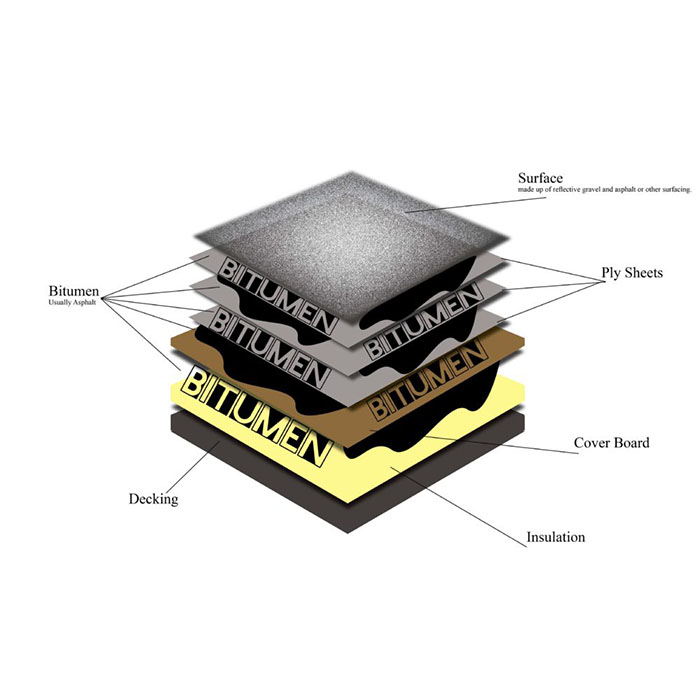
Built-Up Roofing, aptly named due to its method of construction, consists of multiple layers of bitumen and reinforcing fabrics that create a finished membrane. Traditionally, it's known as "tar and gravel" roofing. The key features of BUR include its multi-layered design, which offers enhanced protection, and its smooth or gravel-surface finish that provides additional durability and resistance against the elements.
The composition of a BUR system typically involves three main components: bitumen (asphalt or coal tar), ply sheets (reinforcing fabrics like fiberglass or organic mats), and surfacing material (often gravel, mineral granules, or a reflective coating). The bitumen serves as the adhesive and waterproofing agent, the ply sheets provide strength and stability, and the surfacing material protects the roof from sunlight and weather.
BUR systems offer several benefits. Their multi-layered structure provides excellent waterproofing capabilities. They also offer good tensile strength and are resistant to thermal shock. BUR is known for its proven track record of durability, often lasting over 20 years with proper maintenance.
BUR roofing is particularly well-suited for regions with variable weather conditions. Its layered structure can withstand heavy rain, high winds, and even moderate snow loads. However, in extremely hot climates, the bitumen can soften, and in very cold temperatures, it can become brittle. Therefore, the choice of bitumen type and the addition of reflective coatings or gravel can be critical in these environments.
BUR systems are versatile and can be applied to a variety of building designs, especially flat or low-slope roofs typical in commercial buildings. They are ideal for larger roofs where the installation of multiple layers is feasible, and the building can support the weight of the BUR system.
The advantages of BUR include its durability, waterproofing ability, and resistance to foot traffic. However, it has some drawbacks, such as the potential for a longer installation process and the requirement for a robust structural support due to its weight. Additionally, the installation process can be messy and emit fumes.
The initial cost of a BUR system can be higher than some other roofing types due to the labor-intensive installation process and materials used. However, its longevity and low maintenance requirements can make it a cost-effective option in the long run.
CertainTeed and Tamko are two well-known brands in the BUR market. CertainTeed is renowned for its high-quality roofing materials and offers a range of BUR products that cater to different needs and budgets. Their BUR systems are known for their reliability and are backed by comprehensive warranties.
Tamko, on the other hand, has carved out a niche in the roofing industry with its innovative and durable BUR products. Tamko’s BUR solutions are designed for ease of application and long-term performance, making them a popular choice for commercial roofing contractors.
Regular maintenance is key to extending the life of a BUR roof. This includes routine inspections, cleaning to remove debris, and checking for signs of wear or damage. Repairs should be addressed promptly to prevent water infiltration and further damage.
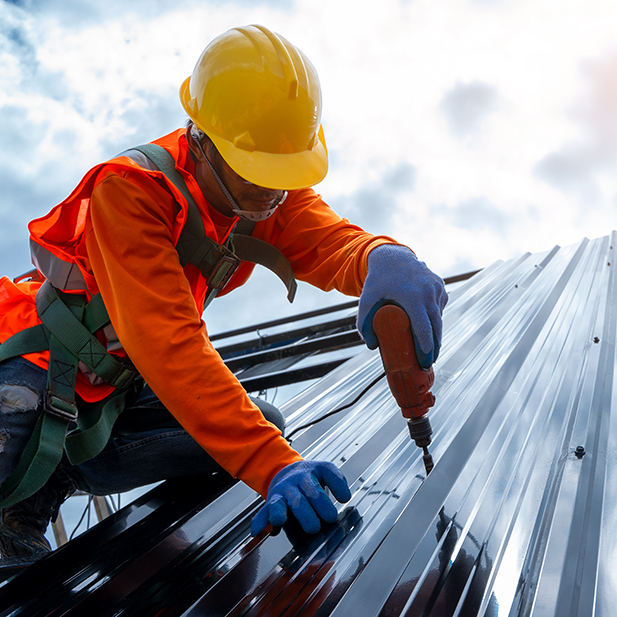
Metal roofing has emerged as a standout option in the commercial roofing landscape of the United States. Known for its durability, versatility, and aesthetic appeal, metal roofing caters to a wide range of commercial buildings. The initial investment in a metal roof is balanced by its long-term benefits, making it an excellent choice for businesses looking for a reliable, cost-effective, and environmentally friendly roofing solution.
Metal roofing systems are characterized by their use of metal panels or tiles. They stand out for their longevity, resistance to extreme weather conditions, and minimal maintenance requirements. Metal roofs can vary in style, from traditional corrugated tin roofs to modern, sleek designs, making them suitable for various architectural styles.
The composition of metal roofs primarily involves metals like steel, aluminum, copper, or zinc. These materials are often coated with a protective layer of zinc or a combination of zinc and aluminum to prevent rust and corrosion. Finishes can include paint or special coatings for added durability and color variety.
One of the primary benefits of metal roofing is its exceptional durability. Metal roofs can withstand high winds, heavy rain, snow, and even fire. They are also energy-efficient, reflecting solar radiant heat, which can reduce cooling costs. Their lightweight nature often means they can be installed over existing roofs, making them a versatile retrofit option.
Metal roofing is highly adaptable to various climates. In hot, sunny regions, its reflective properties keep buildings cooler. In areas prone to heavy snowfall, metal roofs shed snow easily, preventing accumulation. However, in coastal areas, consideration should be given to the type of metal used to avoid corrosion from saltwater.
Metal roofs are not just for industrial buildings; they are increasingly being used in office buildings, schools, and retail establishments due to their modern appearance and functional benefits. Their adaptability allows them to be designed in ways that complement both traditional and contemporary architectural styles.
Advantages of metal roofing include longevity (lasting up to 50 years or more), energy efficiency, and minimal maintenance. On the downside, the initial cost can be higher than other roofing materials, and during rain or hail, metal roofs can be noisier than other types of roofing unless properly insulated.
While the upfront cost of metal roofing is higher, its longevity and low maintenance requirements provide a high return on investment. The lifespan of a metal roof can be two to three times longer than traditional roofing materials like asphalt shingles.
Metal Sales is a leading manufacturer in the metal roofing industry, known for its wide range of products suitable for various commercial applications. Their products are recognized for their quality, durability, and the extensive selection of finishes and colors.
Fabral Metal Wall and Roof Systems is another key player, offering a broad spectrum of metal roofing solutions. Fabral is particularly noted for its innovative designs and commitment to sustainability, with products that are both energy-efficient and aesthetically pleasing.
Maintenance of metal roofs is relatively simple and involves regular inspections, cleaning to remove debris, and checking for signs of wear or damage, such as scratches or dents. While metal roofs are resistant to many environmental factors, it's important to promptly address any issues to maintain their integrity and appearance.
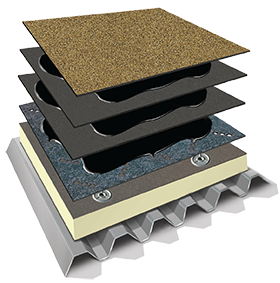
Modified Bitumen (MB) roofing systems present an excellent roofing solution for commercial buildings, offering durability, flexibility, and a cost-effective lifecycle. With advancements from leading brands like CertainTeed, GAF, Polyglass, IKO, and Tamko, MB roofing continues to evolve, combining traditional methods with modern technologies. The result is a roofing system that not only meets the diverse needs of commercial buildings but also offers long-term performance and reliability. Whether for new construction or retrofit projects, modified bitumen roofing remains a top choice for those seeking a balance of quality, durability, and cost-effectiveness in their roofing solutions.
Modified Bitumen roofing is a type of asphalt roofing similar to Built-Up Roofing (BUR). It combines traditional roofing methods with modern technological advancements. MB roofing is known for its strength, flexibility, and durability. It typically comprises five layers: insulation, modified base sheets or plies, adhesive layers, a top ply of modified bitumen, and a surfacing layer.
The core of modified bitumen roofing is bitumen modified with polymers (like APP or SBS), which enhance its strength and flexibility. This modified bitumen is then reinforced with fiberglass or polyester fiber matting for increased stability and tear resistance.
MB roofing systems are highly durable and resistant to tears, punctures, and foot traffic. They also offer enhanced flexibility compared to traditional asphalt roofing, making them more adaptable to temperature fluctuations and building movements. Modified bitumen roofs are also known for their waterproofing capabilities and can be made highly reflective for energy efficiency.
Modified bitumen roofs perform well in various climates. The flexibility of the membrane makes it suitable for areas with temperature extremes, as it expands and contracts without losing its integrity. In warmer climates, a reflective coating can be applied to reduce heat absorption and save on cooling costs.
MB roofing is ideal for commercial buildings with low-slope or flat roofs. Its multi-layered structure provides robust protection and durability, making it a good choice for buildings that require a long-lasting roofing solution with minimal maintenance.
The advantages of modified bitumen roofing include high durability, resistance to weather and UV rays, and easy maintenance and repair. However, the installation process can be labor-intensive and may require specialized equipment. Also, MB roofing can be susceptible to scuffing during hot weather.
Modified bitumen roofing systems offer a good balance of cost and performance. They are generally more affordable than some other commercial roofing options and offer a lifespan of 20 years or more, depending on maintenance and environmental conditions.
CertainTeed: Known for their high-quality building materials, CertainTeed's modified bitumen roofing products are renowned for their reliability and performance. They offer a range of MB roofing solutions suitable for various commercial applications.
GAF: As one of the largest roofing manufacturers in North America, GAF offers a wide array of modified bitumen roofing products. Their MB systems are known for their quality, durability, and ease of installation.
Polyglass: Polyglass is a leading manufacturer of modified bitumen roofing and waterproofing membranes. Their products are well-regarded for their innovative technologies, including patented self-adhesive membranes.
IKO: IKO offers a range of roofing solutions, including high-quality modified bitumen roofing systems. Their products are designed for superior weather protection and longevity.
Tamko: Tamko’s modified bitumen roofing products are known for their durability and ease of installation. They offer both APP and SBS polymer-modified options catering to different roofing needs.
Maintaining a modified bitumen roof involves regular inspections and cleaning to remove debris. It's important to promptly repair any punctures or tears and check flashings and edge details for signs of wear. Although MB roofs are durable, they should be inspected at least biannually and after major weather events.
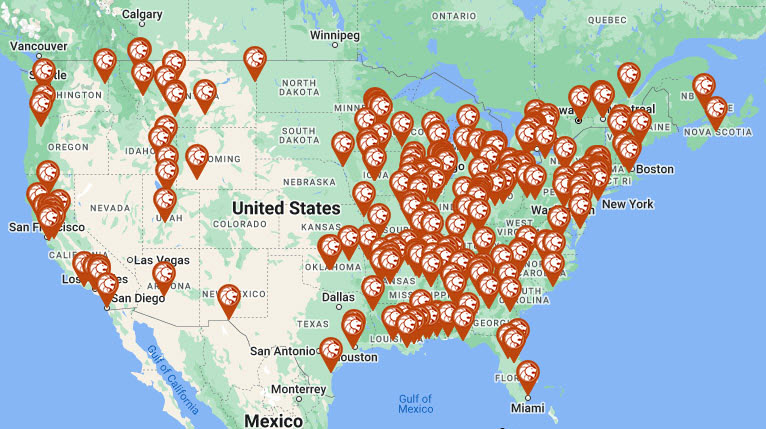
NEMEON is a purchasing cooperative comprising over 100 independent roofing and siding distributors with more than 320 locations across North America. NEMEON members create strong, mutually beneficial, and sustainable partnerships with the industry's premier suppliers. These suppliers offer NEMEON members quality products, fair pricing, superior service, and a first-rate reputation. In turn, NEMEON members can provide the same exceptional customer service and pricing to local and regional roofing contractors, general contractors, project managers, and commercial developers across the United States. We are pros for pros.
THE COOPERATIVE ADVANTAGE: BUYING POWER & MUCH MORE
A cooperative business belongs to the people who use it... people who have organized to provide themselves with the goods and services they need to succeed. Across America, 120 million people are solving problems and enjoying a better life because of their co-ops. People have formed 47,000 cooperatives for farming, banking, housing, childcare, health care, electric and telephone service, food retailing and other goods and services. They trust their co-ops to help them find solutions.
To achieve success in this jointly owned and democratically controlled enterprise, there is a basic set of principles that cooperatives practice. These are based on the values of self-help, self-responsibility, democracy, equality, equity, and solidarity. In the tradition of their founders, cooperative members believe in the ethical values of honesty, openness, social responsibility and caring for others.
A cooperative is one way for independent business owners - the backbone of Main Street USA - to prosper and effectively meet the challenge of chain stores and big box competition.
When you support a locally owned company:
QUARTERLY FEATURED MEMBER
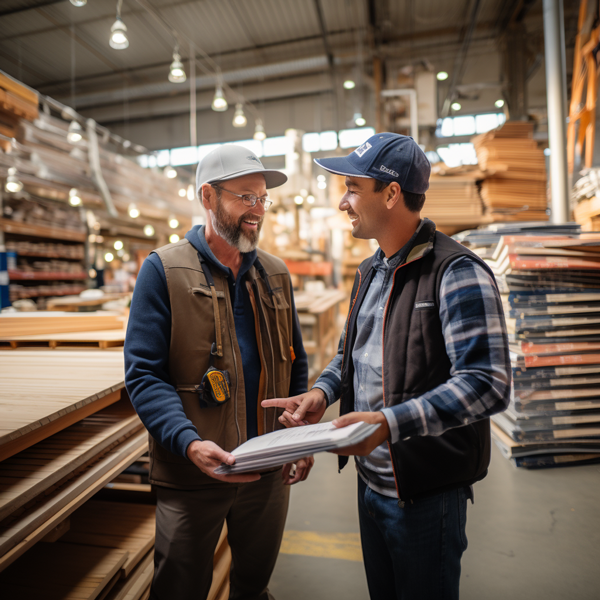
 In the highly competitive world of building supplies, one company in Atlanta is standing tall, not just for its products, but for its purpose. Meet Preferred Roofing Supply, a thriving, Latino-owned business serving the Atlanta metro area with three locations in Smyrna, Tucker, and Jonesboro.
© 2026 NEMEON, Inc. All Rights Reserved.