Your Local Building Solution
Your Local Building Solution
PRODUCTS
Browse our roofing
and siding articles.
FEATURED MEMBER
Preferred Roofing Supply
Atlanta, GA
MEMBER LOCATOR
Find a roofing or siding
distributor near you.





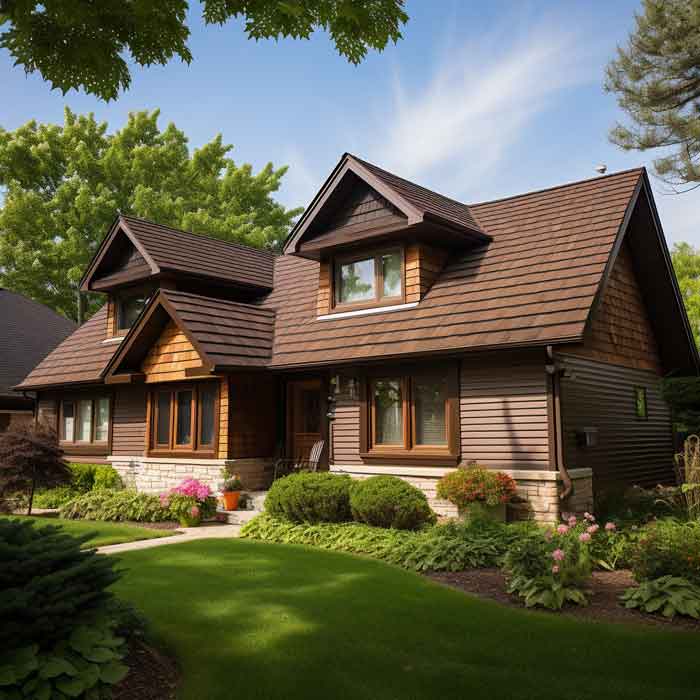 In the world of residential roofing, few materials evoke the warmth and charm of wood shingles and shakes. With a rich history dating back centuries, these natural roofing options continue to captivate homeowners and professionals alike. This article delves into the essence of wood shingles and shakes, exploring their composition, merits, variations in wood types, styles, installation nuances, lifespan, cost, environmental impact, fire resistance, and a glimpse of esteemed brands and product selections.
Wood shingles and shakes are crafted from natural wood, typically cedar, redwood, or pine. Shingles are machine-cut for a precise and uniform appearance, while shakes are hand-split for a more rustic and irregular look. Their organic nature ensures a timeless appeal that harmonizes with various architectural styles.
The wood used for shingles and shakes varies, with cedar and redwood being popular choices due to their natural resistance to decay and insects. Pine is also used, although it might require more frequent maintenance.
Wood shingles are uniform and offer a clean, tailored look. Shakes, on the other hand, present a more rugged and textured appearance due to their hand-split nature. Both styles have their unique aesthetic attributes that cater to different architectural preferences.
Wood shingles and shakes require precise installation to ensure a watertight roof. Adequate ventilation is crucial to prevent moisture buildup. Maintenance involves regular inspections for damaged or worn-out pieces, as well as treatments to prevent decay and insect infestations.
The lifespan of wood shingles and shakes varies, with cedar and redwood roofs lasting around 30 to 50 years. Proper maintenance can extend their longevity. While wood roofing's initial cost is higher than some other options, its durability and aesthetic appeal often justify the investment.
Wood is a renewable resource, making it an environmentally friendly choice. Some wood roofing options are treated to improve fire resistance, but it's important to note that wood roofing is generally less fire-resistant than materials like metal or asphalt.
Advantages |
Disadvantages |
|
Aesthetic Appeal: Wood shingles and shakes exude a natural, rustic charm that enhances the visual appeal of any home. Insulation Properties: Wood offers inherent insulation, contributing to energy efficiency. Longevity: When properly maintained, wood roofing can last for decades. Repairability: Damaged shingles or shakes can be individually replaced, reducing overall repair costs. |
Maintenance: Regular maintenance is essential to prevent issues like rot, insect infestations, and moss growth. Higher Cost: Wood roofing tends to have a higher initial cost compared to some other materials. Fire Risk: While treatments can improve fire resistance, wood shingles and shakes are generally less fire-resistant than alternative materials. |
Reputable brands in the wood roofing industry include Cedar Impressions, Certi-label Cedar Shakes, and Maibec. These brands offer a range of styles, treatments, and finishes to cater to diverse preferences.
In conclusion, wood shingles and shakes offer more than roofing material; they offer a connection to nature's timeless elegance. From the enduring appeal of cedar to the distinct character of redwood, these materials bring warmth and charm to homes. While maintenance and fire resistance considerations exist, their visual impact and longevity often outweigh the challenges. With esteemed brands offering an array of options, homeowners can embrace the natural allure of wood while adorning their homes with a roofing choice that stands the test of time.
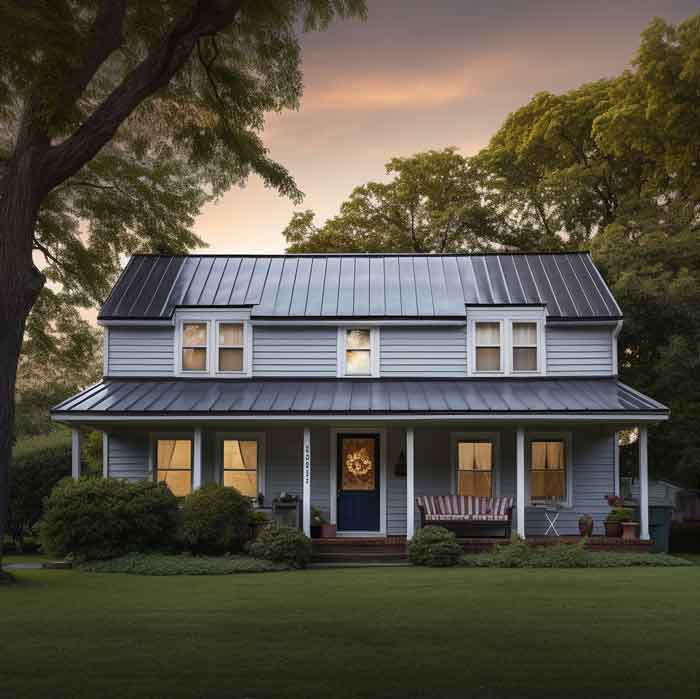 Metal roofing stands as a testament to the marriage of strength and elegance in the world of residential roofing materials. With a composition that emphasizes durability and a spectrum of design possibilities, metal roofs have secured their place as a popular choice among homeowners and professionals. This article delves into the essence of metal roofing, unraveling its composition, benefits, diverse materials, styles, endurance against the elements, installation nuances, lifespan, cost, and a glimpse of the revered brands and product offerings.
Metal roofing encompasses an array of materials, such as steel, aluminum, and copper. Each material brings its unique attributes to the table. Metal roofing systems are typically composed of large metal panels, sheets, or shingles that are expertly crafted to interlock securely, ensuring both aesthetic appeal and weather resistance.
Metal roofing materials include steel, aluminum, and copper, each with its specific benefits:
Steel: Offers durability and strength, available in various coatings to enhance corrosion resistance.
Aluminum: Lightweight, corrosion-resistant, and suitable for coastal environments.
Copper: Known for its distinctive patina over time and longevity.
Metal roofing offers a plethora of styles and finishes, from classic standing seam designs to modern profiles that mimic other materials like slate or wood shakes. The diversity allows homeowners to align their roofing choice with their architectural preferences.
Metal roofing's primary claim to fame lies in its remarkable durability and weather resistance. It can withstand heavy rains, hail, wind, and even fire, making it a reliable choice for regions with challenging weather patterns.
Metal roofing installation requires expertise to ensure correct panel alignment and proper fastening to prevent leaks. Maintenance is generally straightforward, involving periodic inspections for loose screws, damaged panels, or debris accumulation.
Metal roofing's lifespan ranges from 40 to 70 years or more, depending on the material. While the initial cost is higher than some alternatives, the extended lifespan and minimal maintenance requirements often result in long-term cost savings.
Advantages |
Disadvantages |
|
Durability: Metal roofing is renowned for its exceptional durability, capable of withstanding harsh weather conditions, including heavy rain, snow, hail, and strong winds. Longevity: When properly installed and maintained, metal roofs can last significantly longer than traditional roofing materials. Energy Efficiency: Metal roofing often features reflective coatings that reduce heat absorption, leading to improved energy efficiency. Low Weight: Metal roofs are generally lightweight, putting less stress on the structure of the building. |
Initial Cost: The initial cost of metal roofing can be higher compared to some other roofing options. Noise: Without proper insulation, metal roofs can be noisy during rain or hailstorms. Denting: Certain metal roofing materials, such as aluminum, can be prone to denting in extreme weather conditions. |
Prominent brands in the metal roofing domain include standing seam specialists like Englert, Classic Metal Roofing Systems, and CertainTeed. These brands offer an assortment of finishes, colors, and profiles to cater to diverse homeowner preferences.
In conclusion, metal roofing stands tall as a testament to architectural resilience and aesthetic possibilities. From steel to aluminum and copper, these materials provide not just durability but also a canvas for design creativity. While their initial cost might be higher, their longevity, energy efficiency, and minimal maintenance demands make them a prudent investment. With esteemed brands offering an array of options, homeowners can confidently opt for metal roofing that blends elegance and endurance, elevating their homes to new heights of architectural splendor.
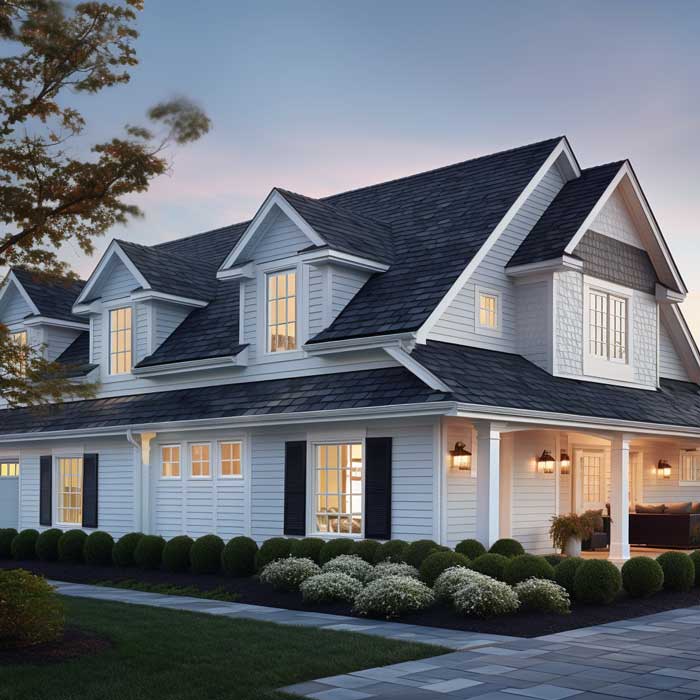
When it comes to residential roofing materials, few options have captured the hearts of homeowners and professionals alike as effectively as asphalt shingles. With their versatility, affordability, and durability, these shingles have become the cornerstone of countless homes across the United States. In this article, we delve into the world of asphalt shingles, exploring their composition, benefits, variations, installation, maintenance, lifespan, cost, and some popular brands that lead the way.
Asphalt shingles are roofing materials made from a composite of fiberglass or organic mat that's saturated with asphalt and coated with ceramic granules. This combination creates a material that's both sturdy and aesthetically appealing. The asphalt layer provides waterproofing, while the granules protect the shingles from UV rays, enhance their fire resistance, and give them their distinct color.
Asphalt shingles come in two common variations: 3-tab shingles and architectural shingles.
3-Tab Shingles: These are the more traditional option, featuring a flat and uniform appearance with cutouts along the bottom edge to mimic the look of multiple shingles.
Architectural Shingles: Also known as dimensional or laminate shingles, these offer a more textured and dimensional appearance. They are thicker and provide a more premium look.
Asphalt shingles' straightforward installation process makes them a preferred choice for many contractors. However, proper installation is essential to ensure the shingles' longevity and performance. Regular maintenance, including gutter cleaning, removal of debris, and inspection for damage, is crucial to prevent issues down the line.
The lifespan of asphalt shingles typically ranges from 15 to 30 years, with architectural shingles generally lasting longer than 3-tab shingles due to their increased durability. The cost can vary based on factors such as the type of shingle, roof size, and location, but asphalt shingles are generally one of the most cost-effective roofing options available.
Advantages |
Disadvantages |
|
Affordability: Asphalt shingles are one of the most budget-friendly roofing options, making them accessible to a wide range of homeowners. Versatility: They come in a variety of colors and styles, allowing homeowners to match their roofing to the architectural style of their home. Ease of Installation: Asphalt shingles are relatively easy to install, making the installation process quicker and more cost-effective. Decent Lifespan: While not the longest-lasting option, asphalt shingles can still provide a satisfactory lifespan, especially when properly maintained. |
Lifespan: Asphalt shingles have a shorter lifespan compared to some other roofing materials, such as metal or slate. Vulnerability to Extreme Weather: They can be more susceptible to damage from extreme weather conditions like heavy winds and hail. Maintenance: Regular maintenance is required to prevent issues like algae or moss growth and potential shingle curling. |
Several reputable brands dominate the asphalt shingles market, including GAF, CertainTeed, Owens Corning, and Tamko. These brands offer a range of styles, colors, and warranty options to cater to different preferences and needs.
In conclusion, asphalt shingles have earned their place as the go-to roofing material for many homeowners due to their affordability, versatility, and reasonable lifespan. While they come with certain limitations, proper installation and maintenance can ensure that asphalt shingles provide a reliable and aesthetically pleasing roofing solution for years to come. Whether opting for the classic 3-tab shingles or the more intricate architectural shingles, homeowners can find a wealth of options from reputable brands, making asphalt shingles a timeless choice for protecting and enhancing their homes.
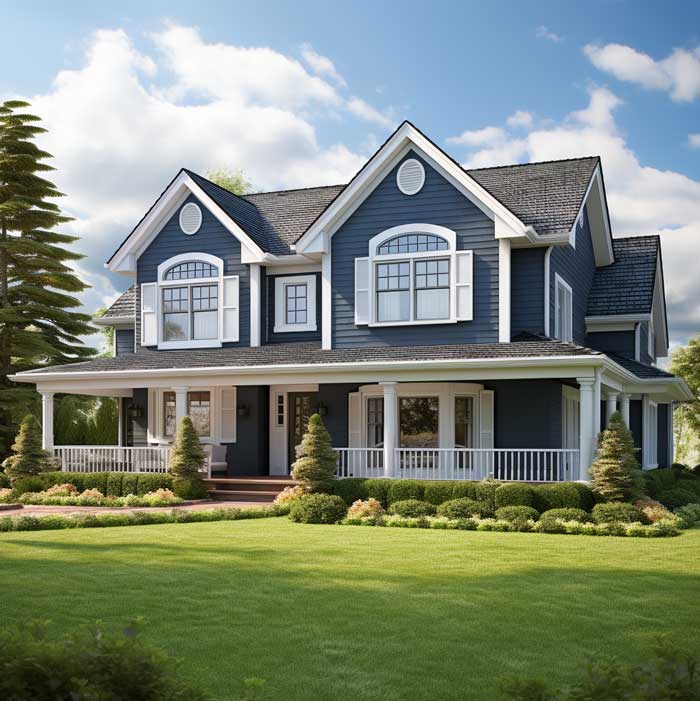
When it comes to residential siding materials, few options have captured the hearts of homeowners and professionals quite like vinyl siding. With its remarkable versatility, affordability, and low-maintenance qualities, vinyl siding has earned its place as a leading choice for residential exteriors across the United States. Let’s delve into the world of vinyl siding: its description and composition, advantages and disadvantages, styles and profiles, durability and maintenance considerations, average lifespan and cost, and a look at popular brands and product options.
Vinyl siding is a synthetic material composed primarily of polyvinyl chloride (PVC) resin. This composition imparts vinyl siding with several key qualities that make it a sought-after choice for residential exteriors. The material is engineered to be exceptionally durable, moisture-resistant, and capable of withstanding the rigors of varying climates.
One of the standout features of vinyl siding is its versatility in terms of styles and profiles. Homeowners can choose from a wide range of options, including traditional lap siding, vertical siding, and shingle-style siding. These various profiles allow for the recreation of classic or contemporary exterior aesthetics.
Vinyl siding is renowned for its durability and resistance to moisture, making it an ideal choice for regions with diverse weather patterns. Maintenance is a breeze, primarily consisting of occasional cleaning with a hose or power washer to remove dirt and grime. The absence of painting or staining means fewer ongoing costs and less effort in upkeep.
The lifespan of vinyl siding typically ranges from 20 to 40 years or more, depending on factors such as climate, maintenance, and the quality of the installation. While vinyl siding offers significant cost savings in the long run due to its low maintenance requirements, its initial cost is notably budget-friendly compared to many other siding materials.
Reputable brands in the vinyl siding industry include CertainTeed, Ply Gem, and Mastic by Ply Gem. These brands offer a wide selection of vinyl siding products, allowing homeowners and professionals to choose from an array of colors, styles, and profiles to achieve their desired exterior appearance.
Advantages |
Disadvantages |
|
Affordability: Vinyl siding is often the most budget-friendly option among residential siding materials, making it accessible to a wide range of homeowners and projects. Versatility: It comes in an extensive array of styles, profiles, and colors, allowing homeowners to achieve a customized look that complements the architectural style of their home. Low Maintenance: Vinyl siding is celebrated for its minimal maintenance requirements. It doesn't require painting or staining and can be cleaned with simple household tools. Durability: Vinyl siding resists moisture, rot, and pests, ensuring it remains in excellent condition for years. |
Potential for Fading: Over time, vinyl siding may experience some fading due to prolonged exposure to UV rays, although modern advancements have mitigated this issue. Susceptibility to Damage: While durable, vinyl siding can be susceptible to damage from impact, such as hail or heavy debris, and may crack or dent. |
To sum it up, vinyl siding has rightfully earned its status as a versatile and dependable choice for residential exteriors. Its affordability, low maintenance, and customizable options make it an excellent fit for a wide range of projects. With the ability to mimic the look of other siding materials, vinyl siding offers homeowners the opportunity to achieve their desired aesthetic while enjoying long-lasting durability and minimal upkeep. Whether for a classic, contemporary, or entirely unique look, vinyl siding continues to shine as a champion in the world of residential exteriors.
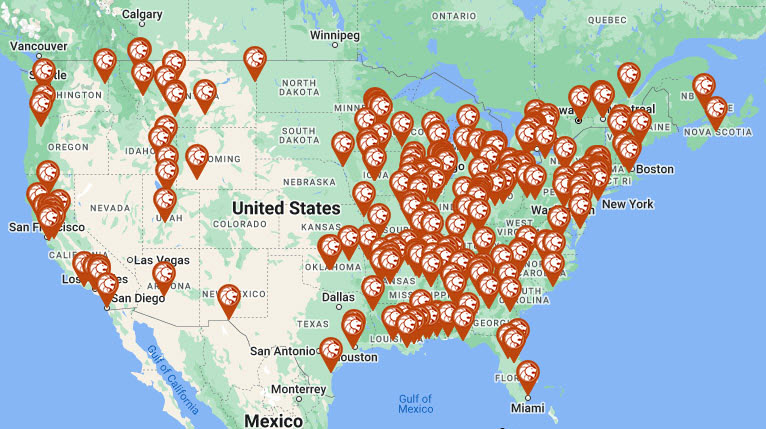
NEMEON is a purchasing cooperative comprising over 100 independent roofing and siding distributors with more than 320 locations across North America. NEMEON members create strong, mutually beneficial, and sustainable partnerships with the industry's premier suppliers. These suppliers offer NEMEON members quality products, fair pricing, superior service, and a first-rate reputation. In turn, NEMEON members can provide the same exceptional customer service and pricing to local and regional roofing contractors, general contractors, project managers, and commercial developers across the United States. We are pros for pros.
THE COOPERATIVE ADVANTAGE: BUYING POWER & MUCH MORE
A cooperative business belongs to the people who use it... people who have organized to provide themselves with the goods and services they need to succeed. Across America, 120 million people are solving problems and enjoying a better life because of their co-ops. People have formed 47,000 cooperatives for farming, banking, housing, childcare, health care, electric and telephone service, food retailing and other goods and services. They trust their co-ops to help them find solutions.
To achieve success in this jointly owned and democratically controlled enterprise, there is a basic set of principles that cooperatives practice. These are based on the values of self-help, self-responsibility, democracy, equality, equity, and solidarity. In the tradition of their founders, cooperative members believe in the ethical values of honesty, openness, social responsibility and caring for others.
A cooperative is one way for independent business owners - the backbone of Main Street USA - to prosper and effectively meet the challenge of chain stores and big box competition.
When you support a locally owned company:
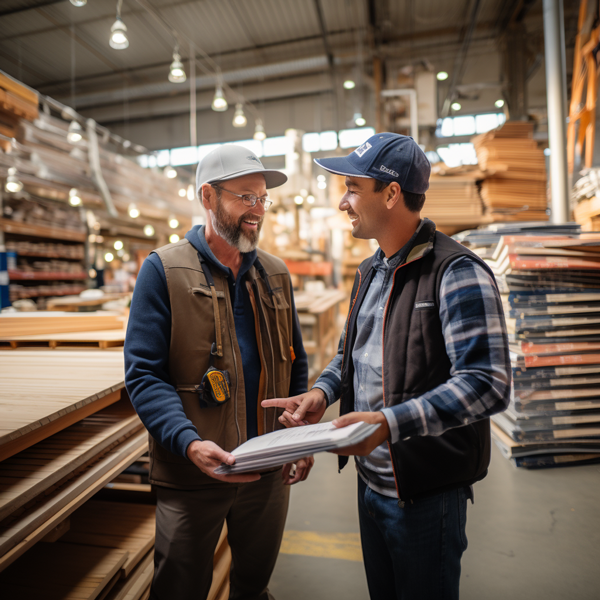
QUARTERLY FEATURED MEMBER
 In the highly competitive world of building supplies, one company in Atlanta is standing tall, not just for its products, but for its purpose. Meet Preferred Roofing Supply, a thriving, Latino-owned business serving the Atlanta metro area with three locations in Smyrna, Tucker, and Jonesboro.
© 2026 NEMEON, Inc. All Rights Reserved.